AI adoption that survives contact with the work.
Your people are already using AI. We make it something you can account for: the work it touches, the checks it clears, and the named person who signs it off.
Built out of New Zealand's largest study on AI in vocational education, where the compliance bar is highest. The loop is the same in operations, support and sales.
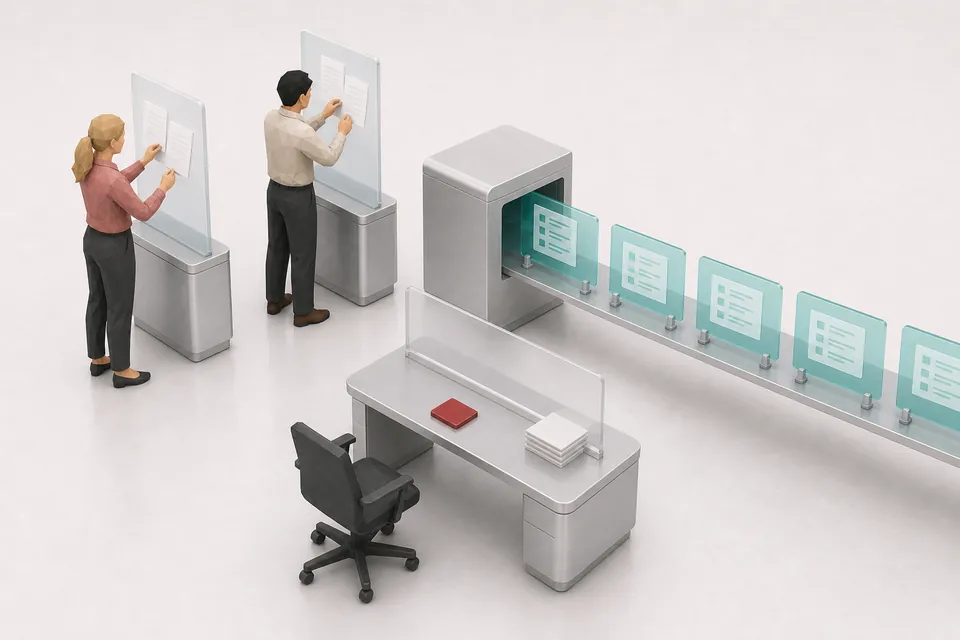

We start with the job, not the tool licence.
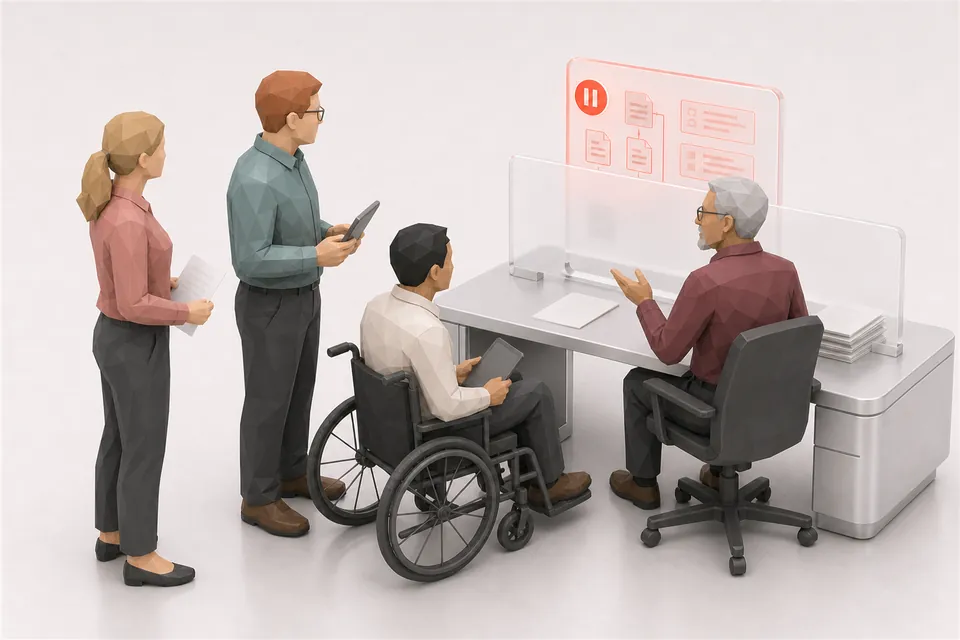
A named person signs every output that leaves.
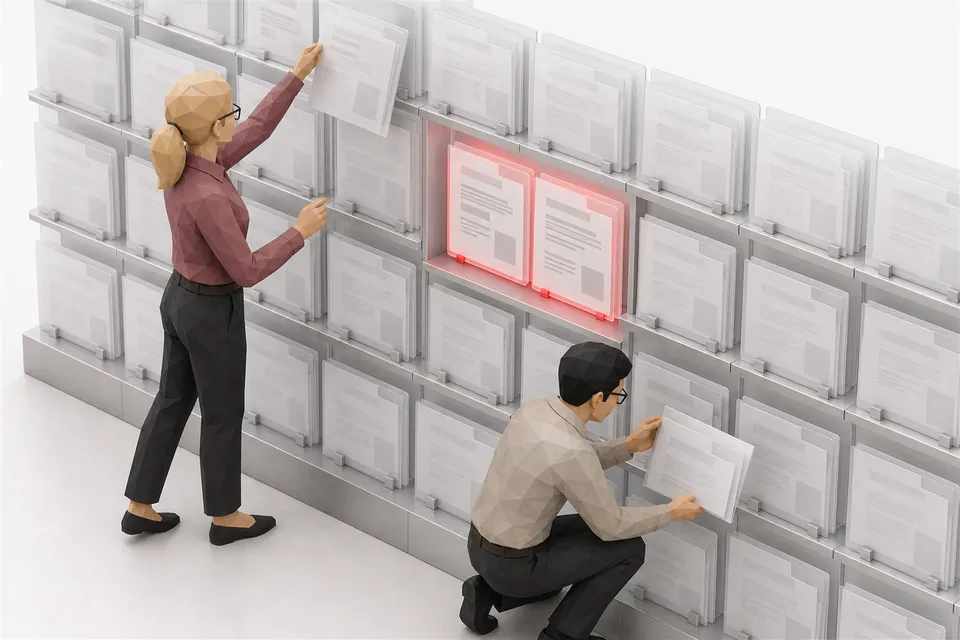
The record is produced by the work, not bolted on.
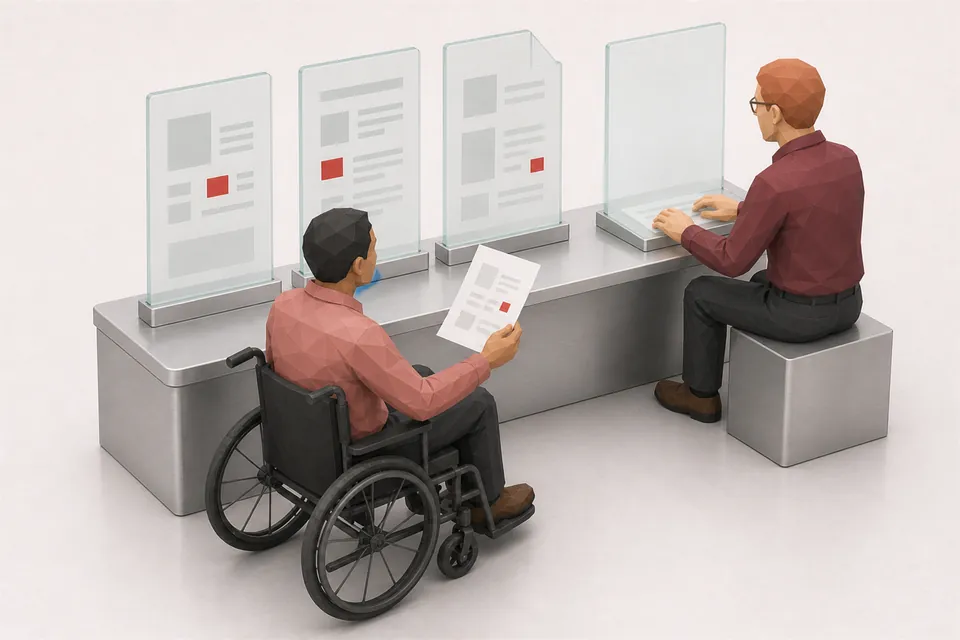
Counted in workflows people use every day.
Most AI budget is already spent. Very little of it shows up in the work.
Licences get bought, a pilot impresses somebody, and six months later the work looks the same. Meanwhile staff use the tools anyway, off the record, and the exposure sits with you rather than with them.
We treat this as an operational problem, not a technology one. One job at a time, made measurably better, with a named person accountable for everything that leaves and a record you could hand to an auditor.

What working with us looks like.
We start with the work, not the tool.
Built out of New Zealand's largest study on AI in vocational education.
Twelve months for ConCOVE Tūhura, under ethics review and data sovereignty rules, with an ethical framework written in response to Te Tiriti o Waitangi.
Delivered by Karl across hotloop and Epic Learning engagements.
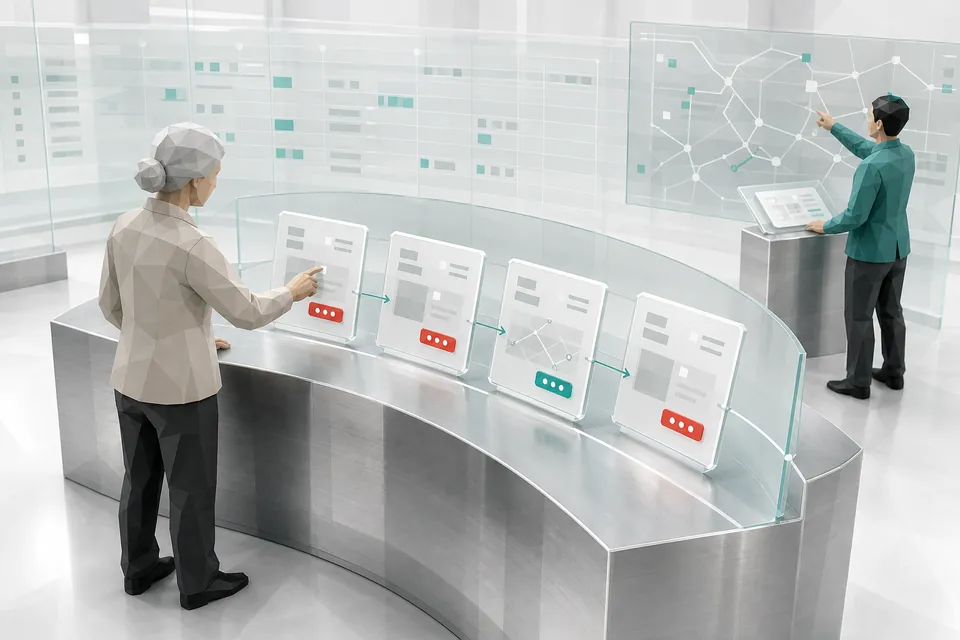
Tuesday's backlog is down to two judgement calls.
TWO WAITING ON YOU
Requests are drafted, triaged and answered overnight.
Nothing leaves the queue without a named owner. Provenance and state stay separate: one says who made it, the other says where it sits.
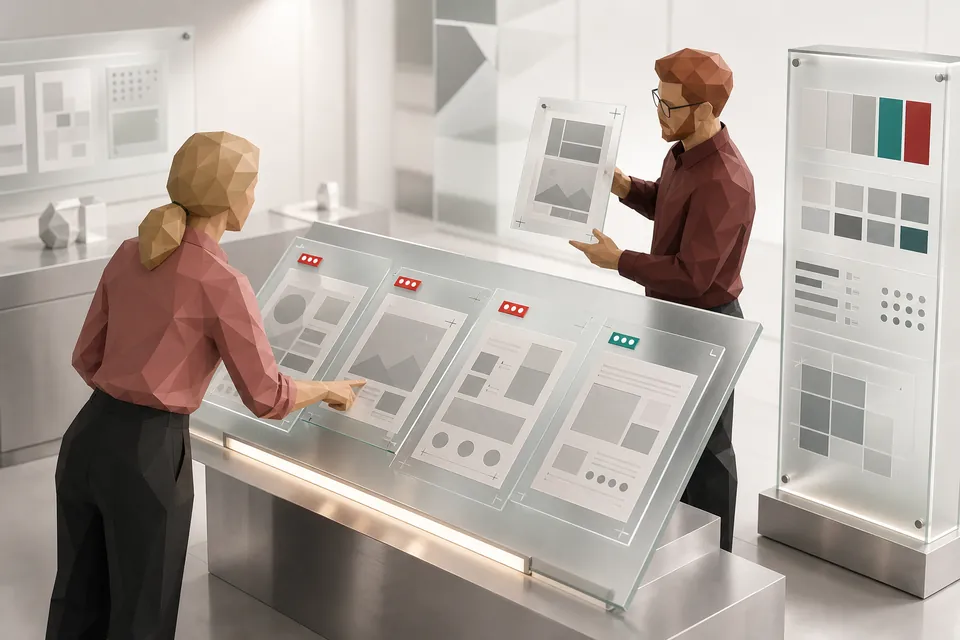
Review queue
SERVICE DELIVERY AUTO-CHECK RUNNING ILLUSTRATIVERequests drafted and triaged; only the exceptions reach a coordinator.
Where the loop earns its keep.
Every one of these starts the same way: one workflow, mapped with the people who do it.

Assessment and rubrics
Assessment material drafted against the unit standard and checked before a moderator sees it.
Operations playbooks
The procedure that lives in one person's head, written down, checked and kept current.
Compliance answers
Policy questions answered from the approved source, with the evidence attached.
Customer support
Replies drafted and triaged so a coordinator handles the exceptions, not the queue.
Sales proposals
Responses built from approved wording, current pricing and real case studies.
Onboarding and training
New staff get the answer without tapping the shoulder of whoever sits nearest.
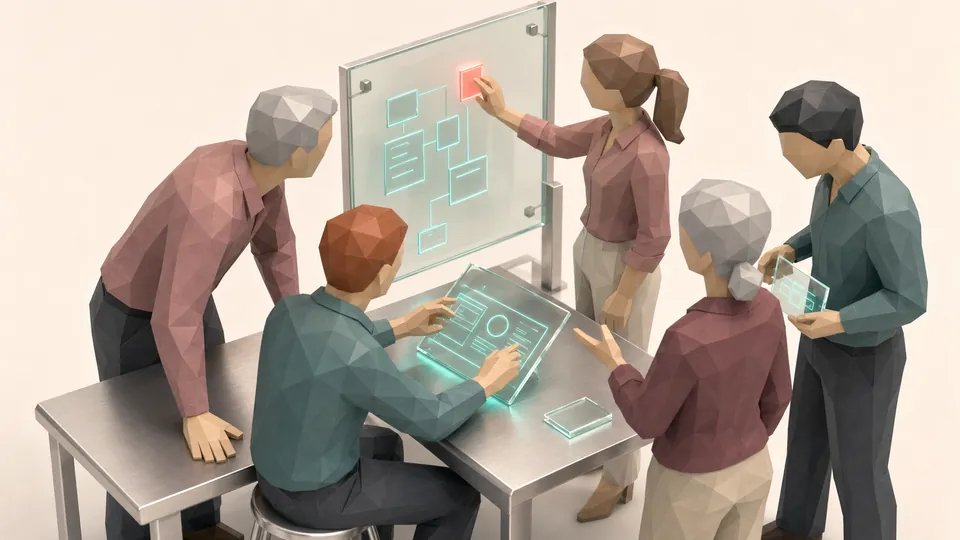
Your team, on the tools you already pay for.
Licences without capability are where most AI budget goes quiet. We run sessions on your real work, so the skill stays in the building after we leave.
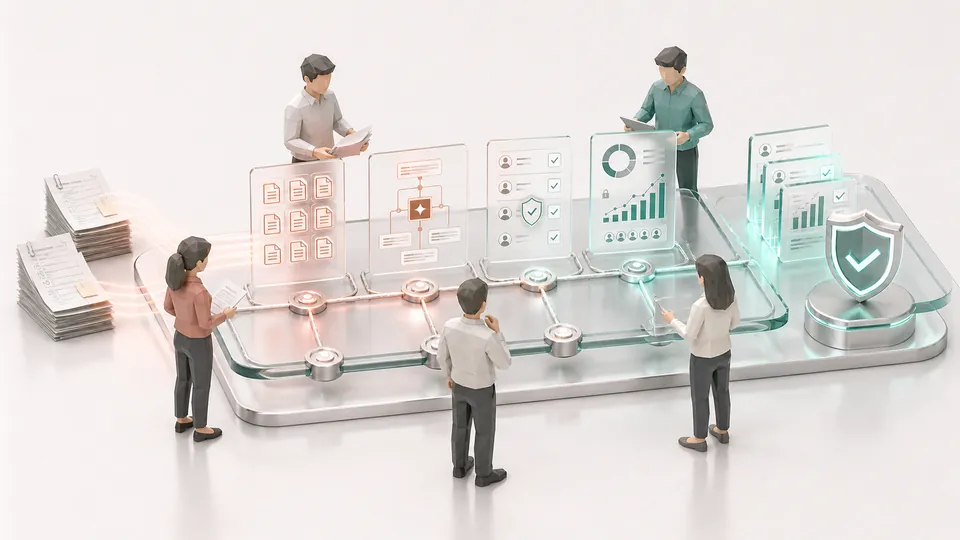
When someone asks who approved this, you have an answer.
Governance written after the fact is a document. Governance produced by the work is evidence. Six things are true of every item we put through a build:
An owner is assigned before anything is drafted.
The source library is approved, and the draft can only use it.
Risk is visible on the item, not buried in a register.
Review rules are part of the workflow, not a separate policy.
Version history is kept, including what the reviewer changed.
The audit trail exports without anybody assembling it.
Three ways to start small.
Discovery and workflow sprint
We open with a discovery session, map one workflow end to end with the people who do it, and tell you whether it's worth building.
- A discovery session and one workflow mapped in full
- A build recommendation, with costs and a real timeline
- An honest answer if the answer is no
Best when you know something should change but not what.
Loop build
We build the assistance, the checks and the review step, and put it in front of the team who will use it daily.
- A working loop in daily use
- Governance and record built in
- Your team trained to run it
Best when one workflow is already mapped and the case is clear.
Team enablement
We work with your people on the tools they already have, so they can run the loop themselves once we step back.
- Sessions on your real work
- Patterns your team can reuse
- Support while the habit forms
Best when the licences are bought and nothing has changed.
The ones we actually get asked.
Something else on your mind? Email us and we will answer plainly.
Where does our data go?
Into the platform you already license, under your existing agreement. We don't stand up a separate service that holds your material, and we don't train anything on your data. If your policy rules a tool out, we build around it.
Is this about cutting jobs?
No. Every loop we build ends at a person who decides and signs. What disappears is the drafting done after hours and the hunt for a document that already exists. We've never delivered a project whose business case was headcount.
How would we survive an audit?
The record is produced by the work rather than assembled afterwards. Every item carries who made it, what source it used, who reviewed it and when it was signed. That is the artefact you hand over.
Who owns what you build?
You do. The workflows, the checks, the source library and the record are yours, and they run in your own tenancy on your own licences. We don't hold your material and there's no hotloop platform to be locked into. If you stop working with us, nothing switches off.
Our staff are already using AI without telling us. Where does that leave us?
That's the most common reason we get called, and it's the real exposure. Work is already going into tools with no owner and no record, so you carry the risk without the benefit. The first engagement usually surfaces what's actually in use before it builds anything.
Which platform should we use?
Usually the one you already pay for. We work day to day in Claude Cowork, which is where the ConCOVE research was run, and we build against whatever your organisation already licenses. Choosing a platform before mapping the workflow is the most common expensive mistake we get called in to fix.
What do you need from us?
A workflow that genuinely hurts, the people who do it for two workshops, and someone senior enough to decide. This isn't a data project or a platform migration.
How long until something works?
Honestly, it depends on your technology mix, and we would rather say that than quote you a date we invented. Every engagement opens with a discovery session: we map the workflow with the people who do it and set the timeline from what we find. As a guide, two weeks is usually enough to know whether something is worth building, and a first loop in daily use typically lands inside a quarter. You get real dates after discovery, not before.
You're a small firm. Why is that not a risk?
The people who did the research do the work, so nothing gets handed to a junior bench. Everything runs on your own licences and your own tenancy, and the record it produces is yours. Karl's delivery history includes Te Pūkenga, Competenz, New Zealand Football and Callaghan Innovation, and if we walked away tomorrow the loop keeps running.
Bring the job that eats your week. We will map it with you.
We start with a discovery session, map the workflow with your people, and set the timeline from what we find. If it isn't worth building, we'll tell you then.
A 30-minute call. You describe the job, we ask what it costs you.
A discovery session with the people who actually do the work.
A mapped workflow, a straight recommendation, and real dates.